Young adults who've cycled through multiple treatment programs often leave families feeling desperate and confused. Your daughter completed a 90-day program only to relapse within weeks. Your son walked out of his third residential facility. Traditional rehab settings—with their clinical environments and group therapy circles—simply aren't connecting with some people who struggle with addiction.
Roughly 40% of young adults leave conventional treatment programs early, according to the Substance Abuse and Mental Health Services Administration. For families watching this pattern repeat, wilderness therapy represents a fundamentally different approach that strips away the comfort zones and external distractions that can interfere with recovery.
Unlike adventure therapy programs that incorporate outdoor activities into otherwise traditional treatment, wilderness therapy places young adults in remote natural settings for extended periods—typically 60 to 90 days. These programs combine the therapeutic benefits of nature immersion with intensive clinical work, often serving individuals who haven't responded well to conventional treatment approaches. Many participants enter these programs after multiple failed attempts at traditional rehab, making wilderness therapy particularly relevant for families dealing with co-occurring mental health conditions that require dual diagnosis treatment programs.
Why Traditional Treatment Sometimes Falls Short for Young Adults
The sterile, institutional feel of many treatment centers can trigger resistance in young adults who already feel disconnected from conventional systems. Dr. Sandra Penko, who has studied wilderness therapy outcomes for over a decade, notes that many participants "have become experts at gaming the system in traditional settings—they know what therapists want to hear, how to appear compliant while remaining emotionally unavailable."
Wilderness environments eliminate many of these familiar coping mechanisms. There's no internet, no cell phones, no ability to retreat into comfortable patterns of avoidance. The physical challenges of living outdoors—building shelter, maintaining a fire, navigating terrain—create natural consequences that can't be manipulated through charm or defiance.
Research published in the Journal of Therapeutic Schools and Programs found that participants in wilderness therapy programs showed significantly greater improvements in emotional regulation and self-efficacy compared to those in traditional residential treatment. The study followed 858 young adults over two years, finding that wilderness therapy participants were 34% more likely to maintain sobriety at the one-year mark.
How Wilderness Therapy Programs Actually Work
Most wilderness therapy programs begin with a "transport" process where trained professionals pick up your adult child and accompany them to the program location. This might sound jarring, but it's designed to prevent the common pattern of young adults agreeing to treatment and then changing their minds at the last moment.
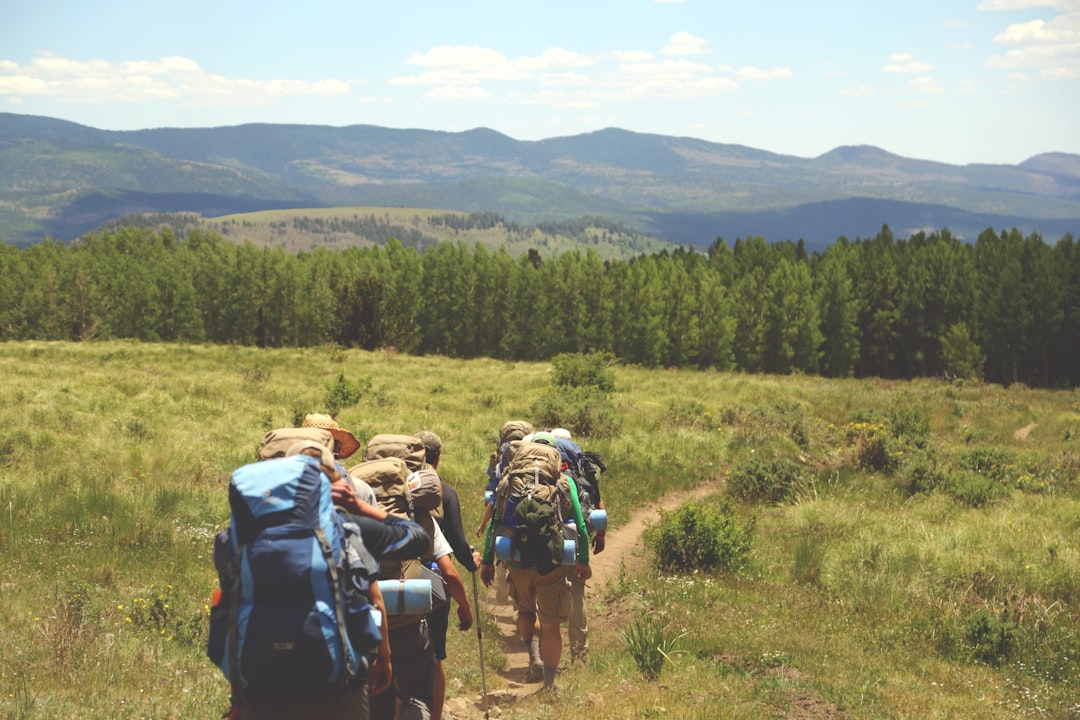
Once in the wilderness, participants typically spend their first weeks learning basic survival skills while beginning individual and group therapy sessions around campfires rather than in offices. They carry everything they need on their backs, sleep in shelters they build themselves, and participate in multi-day hiking expeditions that require genuine cooperation with peers and staff.
The therapeutic model integrates several evidence-based approaches. Cognitive Behavioral Therapy sessions might happen during a challenging rock climb, where participants can immediately apply concepts about managing anxiety and negative self-talk. Group processing often occurs during evening "council" meetings where participants reflect on the day's challenges and successes.
Family involvement remains crucial throughout the process. Most programs require regular family therapy sessions conducted via satellite phone, and many conclude with a "graduation" experience where family members join their loved one in the wilderness setting for several days of intensive family therapy work.
The Clinical Team Behind Wilderness Programs
Legitimate wilderness therapy programs employ licensed clinical staff who accompany participants into the field. The typical team includes licensed therapists, psychiatrists available for medication management, registered nurses, and wilderness guides with extensive outdoor skills training.
Dr. Michael Gass, who helped develop standards for wilderness therapy programs, emphasizes that "the wilderness is not the therapy—it's the therapeutic tool." The natural setting creates conditions that make traditional therapeutic interventions more effective, but the core work still requires trained mental health professionals.
Many programs also include educational components, with certified teachers helping participants continue their academic progress while in treatment. This is particularly important for college-age adults who worry about falling behind academically.
Who Benefits Most from Wilderness Therapy
Wilderness therapy tends to be most effective for young adults between ages 18 and 28 who have shown resistance to traditional treatment approaches. Common characteristics of successful participants include:
Previous treatment failures: Multiple attempts at outpatient or residential programs without sustained success
Co-occurring mental health conditions: Particularly anxiety, depression, or trauma-related disorders that haven't responded well to medication-only approaches
Technology and social media dependencies: Young adults whose addiction is intertwined with compulsive use of devices and social platforms
Family system dysfunction: Situations where enabling patterns or family conflict contribute to ongoing addiction cycles
High intelligence with low motivation: Individuals who can intellectually understand their addiction but struggle to engage emotionally with traditional therapy approaches
The programs are generally not appropriate for individuals with active psychosis, severe eating disorders, or certain medical conditions that require immediate access to advanced medical care.
Understanding the Costs and Insurance Coverage
Wilderness therapy programs typically cost between $500 and $900 per day, making a standard 90-day program a significant financial investment—often $45,000 to $80,000. Most programs require payment upfront, though some offer payment plan options.
Insurance coverage remains inconsistent. Some insurers will cover wilderness therapy if it's deemed medically necessary and if traditional treatment approaches have failed, but many still classify these programs as "experimental" despite growing research support. The National Association of Therapeutic Schools and Programs has been working with insurance companies to improve coverage, but families should expect to pay out of pocket initially and fight for reimbursement later.
Some families find that the total cost of wilderness therapy—even without insurance coverage—is less than the combined costs of multiple failed traditional treatment attempts, especially when factoring in the ongoing costs of supporting an adult child who isn't in recovery.
What Happens After Wilderness Therapy
The transition from wilderness to "regular life" represents the most critical phase of wilderness therapy. Most programs strongly recommend transitional living arrangements rather than immediate return home. Therapeutic boarding schools, sober living facilities, or specialized transitional programs help maintain the gains made in the wilderness while gradually reintroducing modern conveniences and social pressures.
Research shows that participants who go directly from wilderness programs back to their previous environments have significantly higher relapse rates than those who transition through structured step-down programs. The National Association of Therapeutic Schools and Programs recommends a minimum six-month transitional period for most participants.
Family preparation during this transition period is equally important. Many families need to establish new boundaries, change communication patterns, and sometimes modify their living situations to support their loved one's continued recovery.
Red Flags When Evaluating Programs
The wilderness therapy industry includes both highly professional programs and concerning operations that prioritize profit over participant safety. Warning signs include:
Inadequate clinical staffing: Programs that rely primarily on wilderness guides without licensed mental health professionals present in the field
Poor safety records: Any program unwilling to provide detailed information about participant injuries, medical emergencies, or safety protocols
Excessive isolation: Programs that severely limit or prohibit family contact beyond the first few weeks
Vague therapeutic approaches: Inability to clearly explain their clinical model or provide outcome data
High staff turnover: Frequent changes in clinical or field staff, which disrupts therapeutic relationships
The National Association of Therapeutic Schools and Programs maintains accreditation standards and can help families identify reputable programs.
Making the Decision: Questions to Ask Yourself
Choosing wilderness therapy for your adult child represents a major decision that affects the entire family. Consider these questions honestly:
Has your loved one genuinely engaged with previous treatment attempts, or have they found ways to avoid the real work of recovery? Wilderness therapy is designed for individuals who need to break through patterns of avoidance and resistance.
Are you prepared for the program to challenge your family's existing dynamics? Wilderness therapy programs often identify enabling behaviors or communication patterns that contribute to ongoing addiction cycles. This can be uncomfortable for families who feel they're already doing everything possible to help.
Can your family handle the extended separation and limited communication? Most programs restrict contact during the initial weeks, which can be extremely difficult for families already stressed by their loved one's addiction.
Do you have realistic expectations about outcomes? Wilderness therapy isn't a "cure" for addiction—it's an intensive intervention that can create conditions for lasting change, but success still requires ongoing commitment from both the participant and the family.
Frequently Asked Questions
How do I know if my adult child is a good candidate for wilderness therapy?
Wilderness therapy works best for young adults who have struggled with traditional treatment approaches but are physically healthy and don't have severe mental health conditions requiring intensive medical supervision. The ideal candidate has tried conventional treatment multiple times without success and shows patterns of avoidance or resistance in clinical settings.
What if my adult child refuses to go to a wilderness program?
Most wilderness programs work with families to address resistance, including professional intervention services and therapeutic transport when necessary. While this can feel coercive, research shows that motivation often develops during the program itself, even among participants who initially refuse treatment.
How can I verify a wilderness therapy program's safety record and credentials?
Request detailed safety protocols, staff credentials, accreditation status, and outcome data. Legitimate programs will provide this information readily. Check with the National Association of Therapeutic Schools and Programs for accreditation status and contact references from other families who have used the program.
Will insurance cover wilderness therapy for my adult child?
Insurance coverage varies significantly by provider and plan. Some insurers cover wilderness therapy when traditional treatment has failed and the program is deemed medically necessary. Work with the program's admissions team to understand your coverage options and appeal processes if initially denied.
What should I expect during the family therapy component of wilderness programs?
Most programs require regular family therapy sessions, often conducted via satellite phone during the program and in-person during family visits. These sessions focus on communication patterns, boundary setting, and preparing for your loved one's transition back to regular life. Family work is considered essential for long-term success.
RA
Written by
Rehab-Atlas Editorial Team
Our editorial team consists of clinical specialists, addiction counselors, and healthcare writers dedicated to providing accurate, evidence-based information.
Disclaimer: This article is for educational purposes only and does not constitute medical advice. Always consult a qualified healthcare professional for diagnosis and treatment decisions.
Need help finding treatment?
Our specialists can guide you to the right center.